
Almost everyone arrives wanting the farmhouse with land. Many of them buy a house in the village, and are happier.
Choose the life first, then the building.
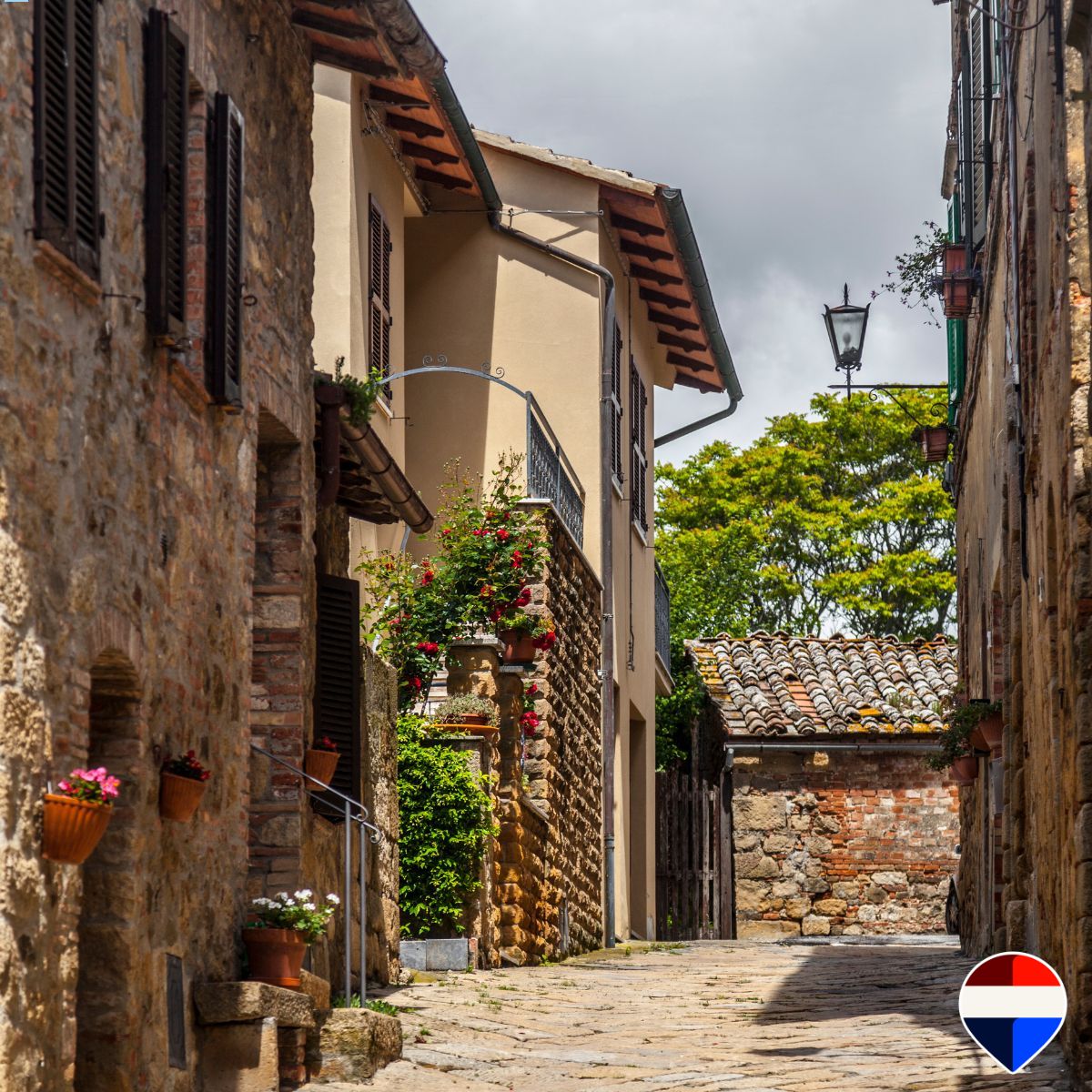
The village house. Stone, several floors, usually attached on one or both sides, often with a terrace looking down the valley instead of a garden. It is the heart of what we sell, in Roccatederighi, Sassofortino, Roccastrada and Torniella, and it is the option foreign buyers most often underestimate.
What it gives you: bread and coffee on foot. Neighbours who notice if the shutters stay closed for three days. A house that is warm in winter because it is embedded in other houses. A village that carries you socially without you having to work at it. And a purchase price and running costs that leave money for the life you came here for.
What it asks: stairs, almost always. No garage inside the old walls. Shared walls, and a facade you cannot change at will.
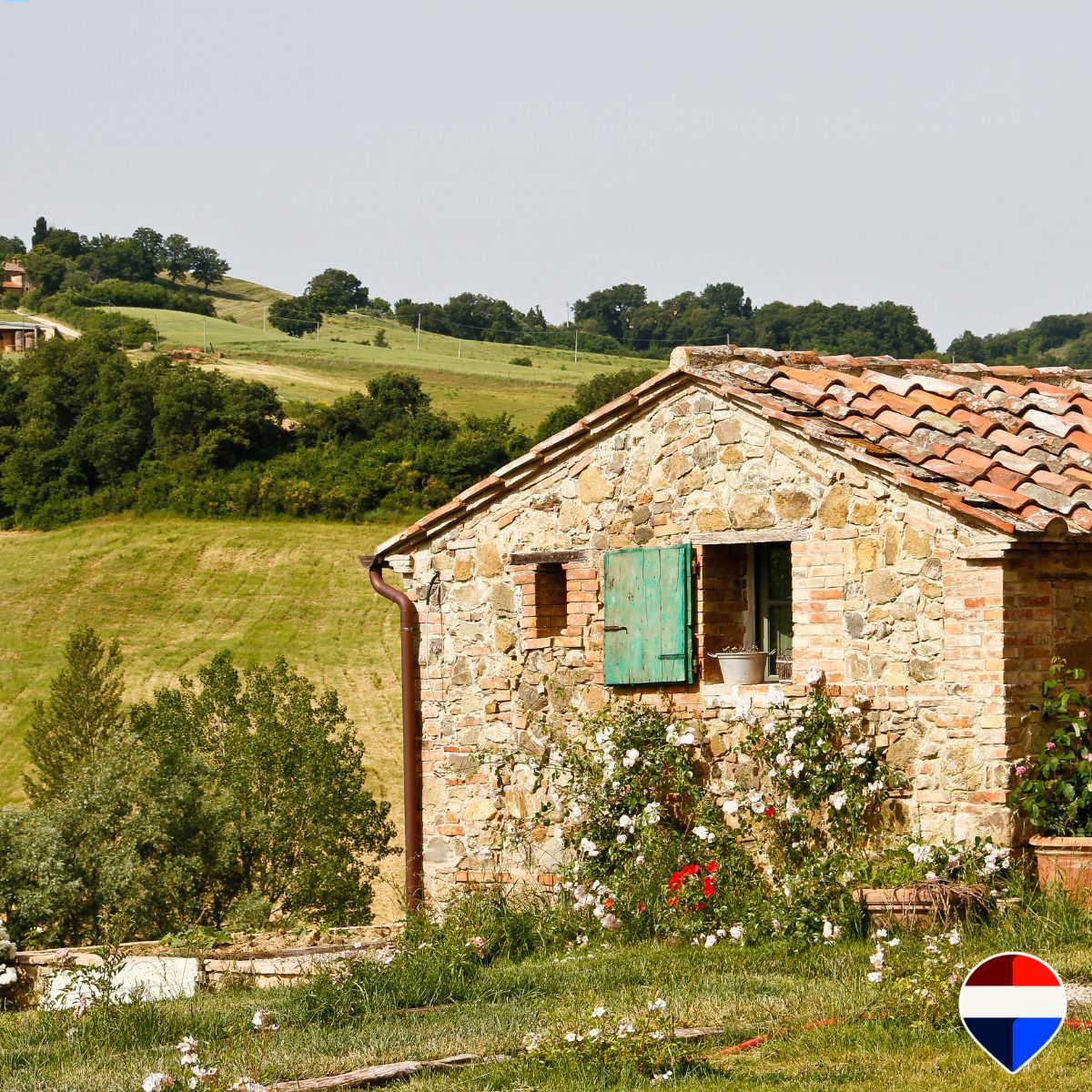
The house on its own. Land around it, no neighbour in sight, the view from the photographs. What it asks in return is real: a car for every loaf of bread, an unlit road at night, water and land to look after, and a restoration that is usually part of the deal. It suits people who want a project and disappoints people who wanted a finished house.
And the middle. A house on the edge of a village, or with a garden but not a farm — a short walk to the bar and a hedge instead of five hectares. In practice this is where a lot of our buyers land.
The test we ask people to do. Picture a wet Tuesday in February. You need bread, the doctor at eleven, and one of you is not driving that day. Which of the three still works?
Ask it before you fall in love with a photograph. Nobody has ever regretted asking it.


