
A village in August tells you nothing at all. The question is what is open in January.
We will tell you which villages empty out. It costs us sales and saves you a mistake.
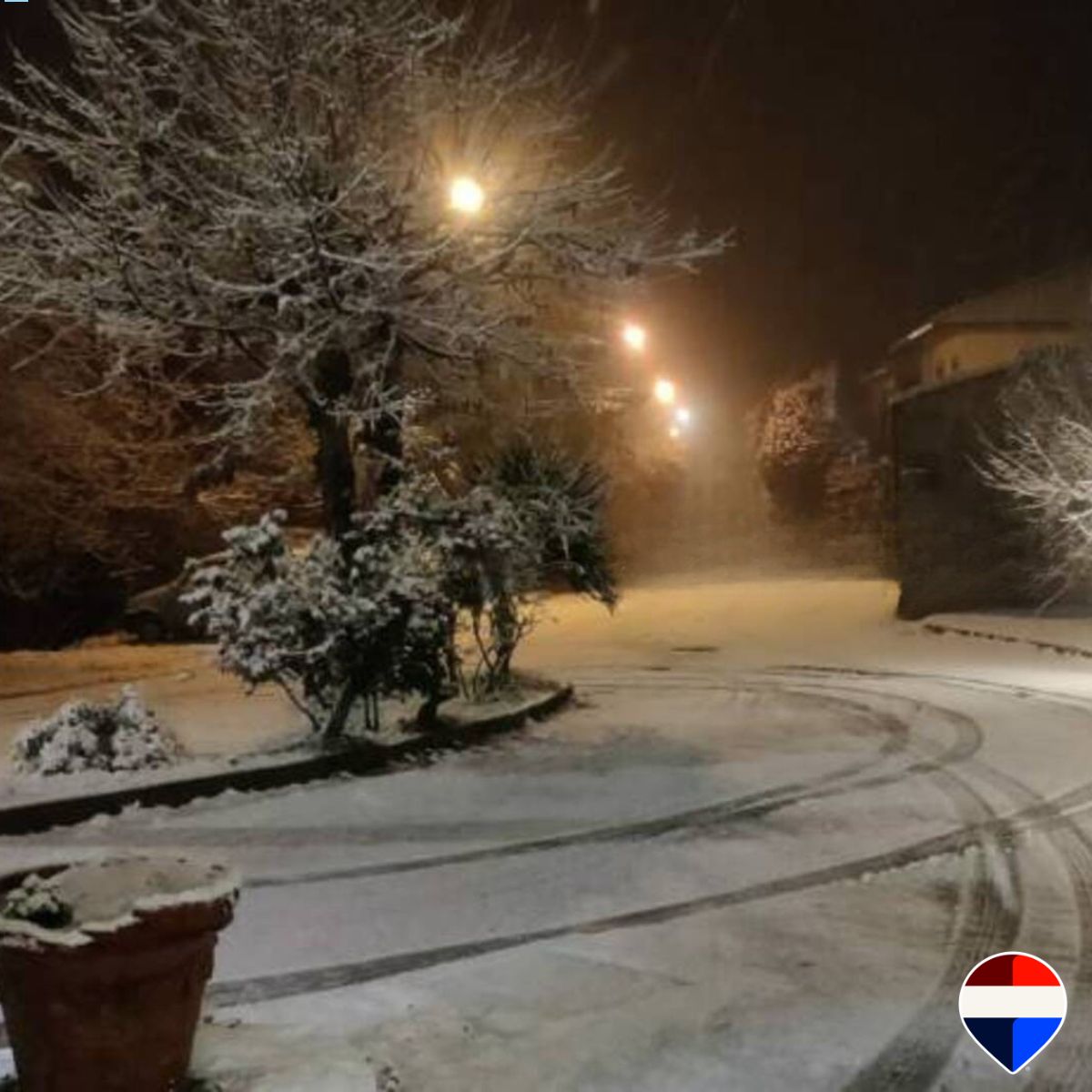
Every buyer visits in good weather. Every buyer should ask what the same street looks like on a wet Tuesday in February.
The five things worth checking.
A bar open all year. Not for the coffee — for the fact that somebody is there every morning, and within a month you will know who your neighbours are.
Bread. A village with a working bakery has enough residents to sustain one. A village without one has become a summer village.
A doctor. Most villages here have a medico di base holding surgery on set days, sometimes rotating between villages. Ask which days, and where the nearest pharmacy is.
A school. Not because you have children, but because a school means young families, and young families mean the village has a future rather than a season.
Basics on foot. A small alimentari, a butcher, or a van that comes on fixed days. All three are normal here and all three work.
Then the second layer. How far to a supermarket. How exposed the road is in bad weather. Whether the connection is fibre or something older, which matters more than people expect if anyone in the house still works.
Why we push this. The villages we work in most — Roccatederighi, Roccastrada, Sassofortino, Torniella — are lived-in places with year-round residents, and that is not an accident of taste. It is why we concentrate here. Other beautiful villages in this province close down between October and May, and a house there is a different proposition entirely.
We will say which is which, by name, at the viewing. Hearing it from us in April is worth more to you than a sale is to us.


